We've never had more data. In theory, that should be great: perfect information leads to perfect markets, right? For private market investors managing portfolios across PE, VC, or family offices, all those monthly updates, board decks, and deal room files should give us a real edge.
Instead, it often feels like we're drowning.
The problem isn't access anymore. It's synthesis. The numbers are absurd: we now generate more data every two days than humanity created from the beginning of time until 2003. Technology caused this mess, and ironically, it's the only way out. For investors, this deluge creates specific, costly problems that directly eat into returns and efficiency.
While data management issues plague every industry, they hit private market investors in particularly painful ways.
1. Information Overload (or: Where Did I Put That Critical Thing?)
You're getting dozens of monthly updates, board presentations, and financial reports. The volume is crushing. That one critical metric you need? It's buried somewhere in slide 47 of last quarter's deck. This isn't just annoying: research shows information overload actively degrades decision-making and increases risk-taking behavior.
2. The Silo Problem
Your most important data is scattered everywhere. A key KPI lives in an analyst's inbox. Revenue forecasts are trapped in a PDF on the shared drive. Historical board notes are in yet another system. One study found employees waste 5+ hours per week just hunting for information that already exists somewhere in their organization. For investment teams, that's 5+ hours not spent sourcing deals or helping portfolio companies.
3. Data You Can't Actually Use
Even when you find what you need, it's often locked in a format you can't work with: a chart in PowerPoint, a table in a PDF. You can't query it, compare it across companies, or track trends without manual data entry. Harvard Business Review research found that leaders dealing with this "information burden" are 7.4 times more likely to regret their decisions. You end up tracking what's convenient to access, not what actually matters.
4. Conflicting Numbers
When data lives in silos and gets manually copied between systems, errors are inevitable. One board deck shows MRR at $500K, the monthly report says $485K. Now your team is wasting time reconciling basic facts instead of debating strategy. And with AI-generated misinformation becoming a major concern globally, having a reliable single source of truth matters more than ever.
These problems (the overload, the silos, the unusable formats) force skilled investors to spend time on administrative grunt work instead of strategic analysis. It's a massive drag on performance.
This is why we built Peripheral.
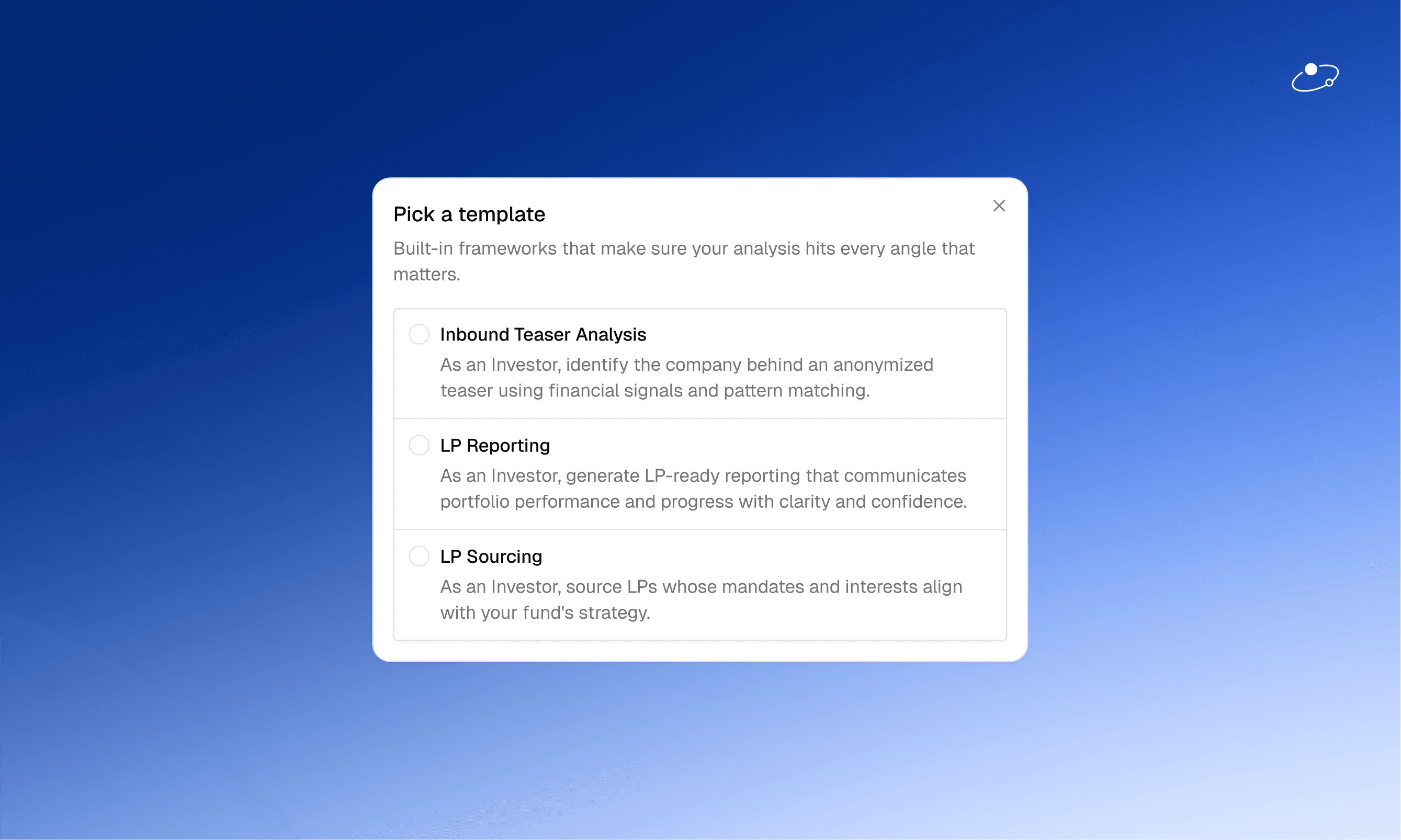
We think investors should spend their time making decisions, not hunting for data. Our platform tackles each of these challenges directly with an AI-powered intelligence layer built specifically for private markets.
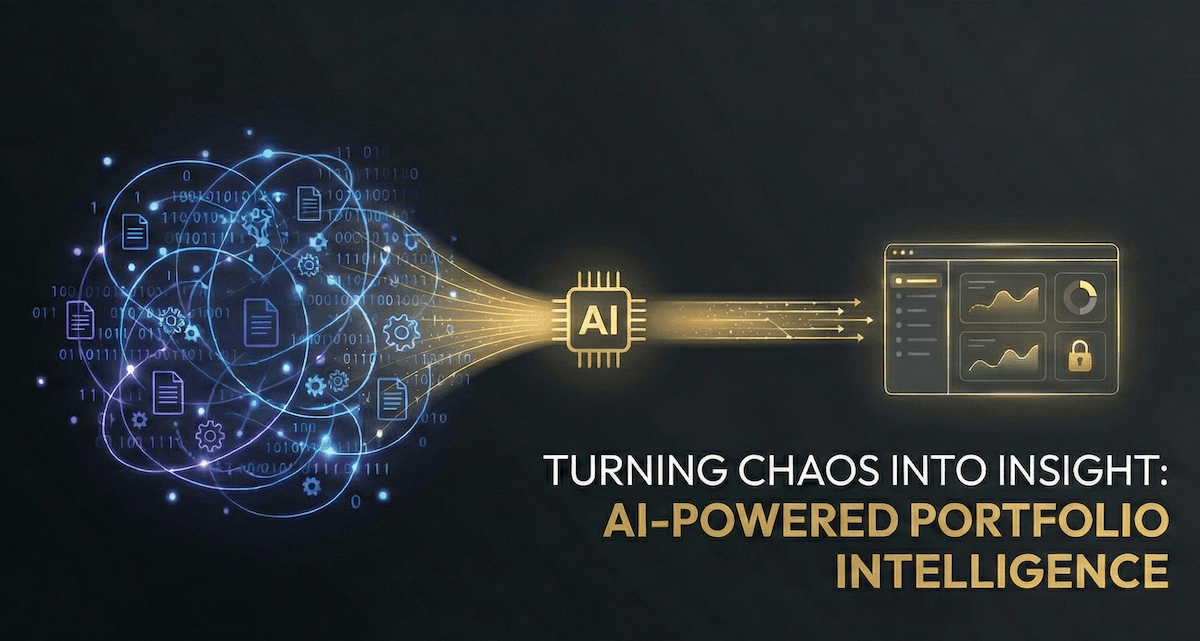
We handle the overload by ingesting all your unstructured data (investor updates, financials, board decks, data room files) and making sense of it automatically.
We break down silos by centralizing everything into one secure, searchable system. No more email archaeology or shared drive spelunking.
We make data actionable by automatically extracting key metrics and surfacing insights. The platform flags anomalies and helps you prep for board meetings in minutes instead of days.
We create a single source of truth so your entire team works from the same verified numbers, eliminating those frustrating reconciliation debates.
The goal is straightforward: revolutionize portfolio management and due diligence so you can focus on insight instead of data wrangling.
The future of investing won't belong to whoever collects the most data. It'll belong to whoever can cut through the noise fastest.